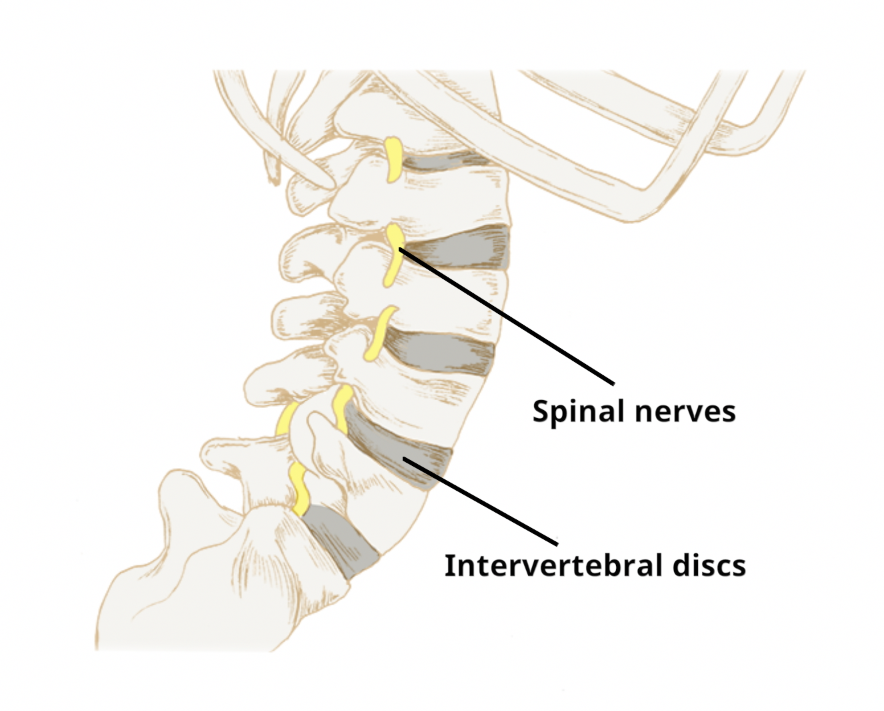
Low back pain may be associated with pain down the leg as far as the foot, which is known as sciatica. This is also referred to as nerve root pain.
Studies have shown that over 80% of people will suffer with low back pain (LBP) at some point in their adult life. A small percentage will experience irritation or pressure on the nerves that supply the leg, which can result in leg pains. The pain symptoms you experience can be severe, but does not necessarily mean there is a significant disc problem and most people find that their symptoms improve with time. In fact 90% will resolve without specialist input and more than 70% report improvements in their symptoms within 4 weeks.
Sciatica can be reliably diagnosed by your clinician by discussing your symptoms and by conducting a physical examination.
The main feature on examination is often a reduced spinal movement and the reproduction of leg symptoms when raising the affected leg (Straight Leg Raise). A range of other clinical tests/movements may be examined to get a full picture of the problems you may be experiencing.
Scans are not routinely required and are generally unhelpful as it will not change the appropriate management plan. Most of us are likely to have changes in our discs and joints, which cannot be identified as a cause for your symptoms, as these changes are present in people without back pain too. However, for some people, an MRI scan may be appropriate, to assess whether a referral to the surgical or pain teams is needed.
X-rays are not required, except in very certain instances.
More can be read about scans and imaging on the British Association of Spine Surgeons (BASS) website:
British Association of Spine Surgeons - The Spine and MRI Scanning
The majority of people with back pain and sciatica will improve with a combination of time, exercise, physiotherapy and appropriate medication. More can be read here: British Association of Spine Surgeons - Nerve Root Pain and Some of the Treatment Options about the likely natural resolution of symptoms for most people. However, some people may benefit from further intervention.
Injection therapy
For individuals who continue to suffer symptoms that significantly affect their quality of life, and who have undergone scans confirming the presence of nerve root irritation an injection around the nerve root may be offered.
These are usually offered by Pain Clinic Consultants, who will discuss the risks and benefits before you undergo any procedure.
Surgical management
Surgery for the affected nerve can be offered for patients who:
- Have trialled at least a 12-week course of non-surgical management without success
- Have scans confirming the presence of nerve root compression
- Have consistent, disabling pain in the leg (not the lower back itself) which significantly limiting quality of life
If this is something that the clinical team feel may be an option for you, you will be referred to a spinal orthopaedic surgeon or neurosurgeon, who will assess you and your scans, before discussing your treatment options, as surgery is indicated for a small percentage of people.
Surgical management of pain that mainly affects the lower back is not offered in line with national guidelines and international research, as this suggests that intervening in this situation can result in worse symptoms.
The links below provide further information regarding the types of procedures that may be offered:
British Association of Spine Surgeons - Nerve Root Pain and Some of the Treatment Options
British Association of Spine Surgeons - Lumbar Discectomy and Decompression
How is LBP with nerve root pain treated?
Non-surgical management
In the majority of cases, back pain and sciatica can be managed effectively by non-invasive measures, such as exercise, painkillers and physiotherapy.
Exercises
Specific exercises may be useful to relieve stiffness and discomfort in the spine and leg. It is important that you start with a comfortable number for you and build these up gradually.
Medications
It is reasonable to try over the counter painkillers initially. Unfortunately, standard painkillers are not very effective in relieving the nerve pain associated with sciatica. Your GP can advise on medication that may help your symptoms, if those available from your local pharmacy are ineffective. They may include muscle relaxants or medications that target nerve pain, dependent on the type of symptoms you are experiencing.
Physiotherapy
Physiotherapy can be offered as a treatment option for back pain and sciatica. This involves a physical assessment and discussion about how your symptoms are impacting your life, followed by developing a treatment plan together. Treatment can include:
- Exercises form the mainstay of treatment, with advice regarding exercises to improve flexibility and reduce the sensitivity of the muscles, joints and nerves. Some strength exercises can also be recommended where needed.
- Manual Therapy, such as manipulation, mobilisations and soft tissue massage. This usually forms a small portion of your treatment.
- Advice to help you speed your recovery and avoid aggravating symptoms.